December 17, 2021
Social sustainability: it's about more than the climate
Environmental issues are currently at the center of the sustainability debate. Particular attention is being paid to global warming and the loss of biodiversity. However, these issues cannot be separated from issues of social justice. Sustainability must therefore be addressed in an integrated manner.
Opportunities for social sustainability in companies
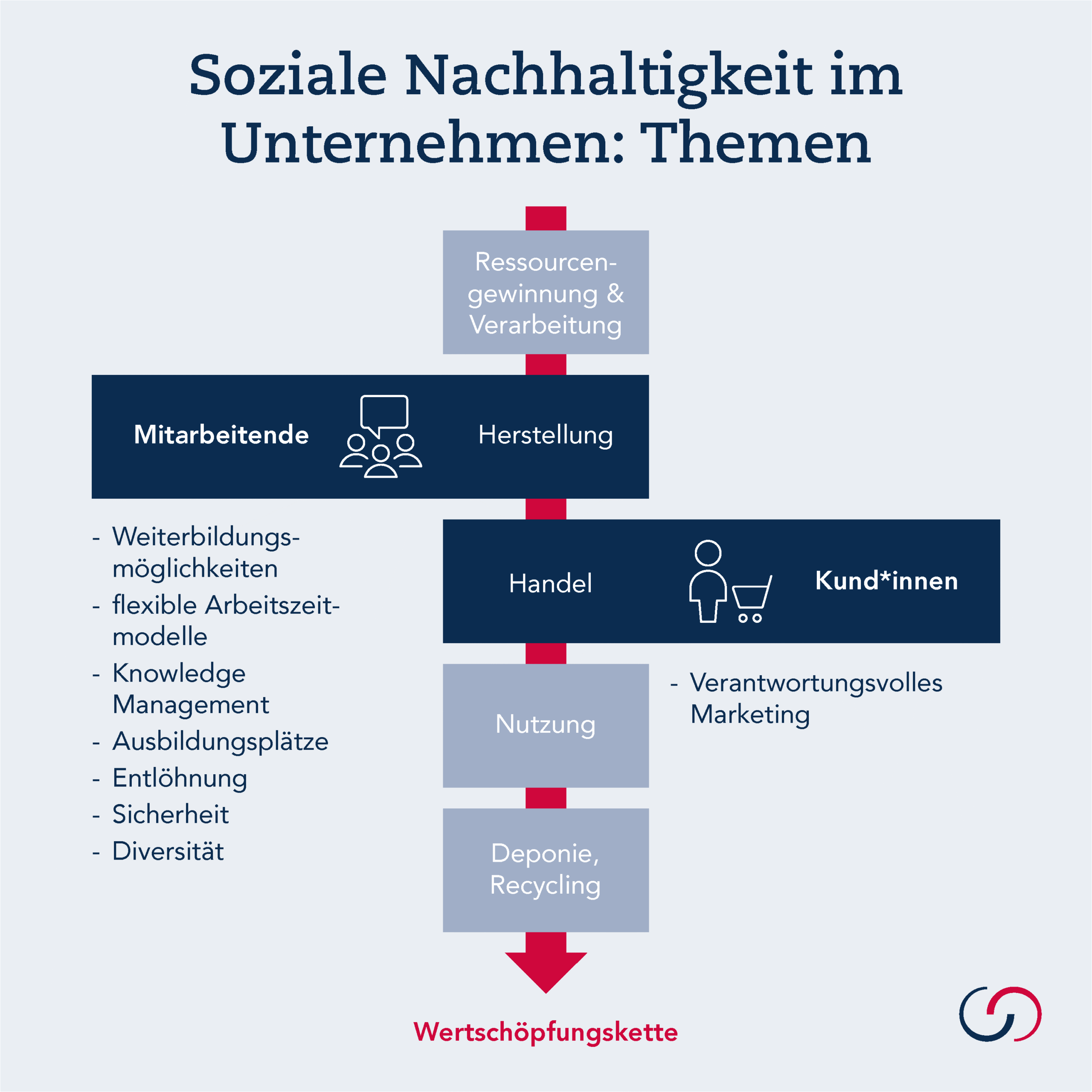
Opportunities for social sustainability in the supply chain and society
The concept of the circular economy is central to sustainability assessment. It involves companies taking responsibility for the entire life cycle of their products and looking for solutions to reduce waste, increase recycling and reuse products or their components after use. Transparency is increasingly being demanded - also from a regulatory perspective, which makes it easier to assess company performance in these areas and increases comparability. However, the circular economy also opens up opportunities for social sustainability in the supply chain and society through the systematic management of value creation cycles. For example, human rights and fair working conditions for workers can be better ensured.
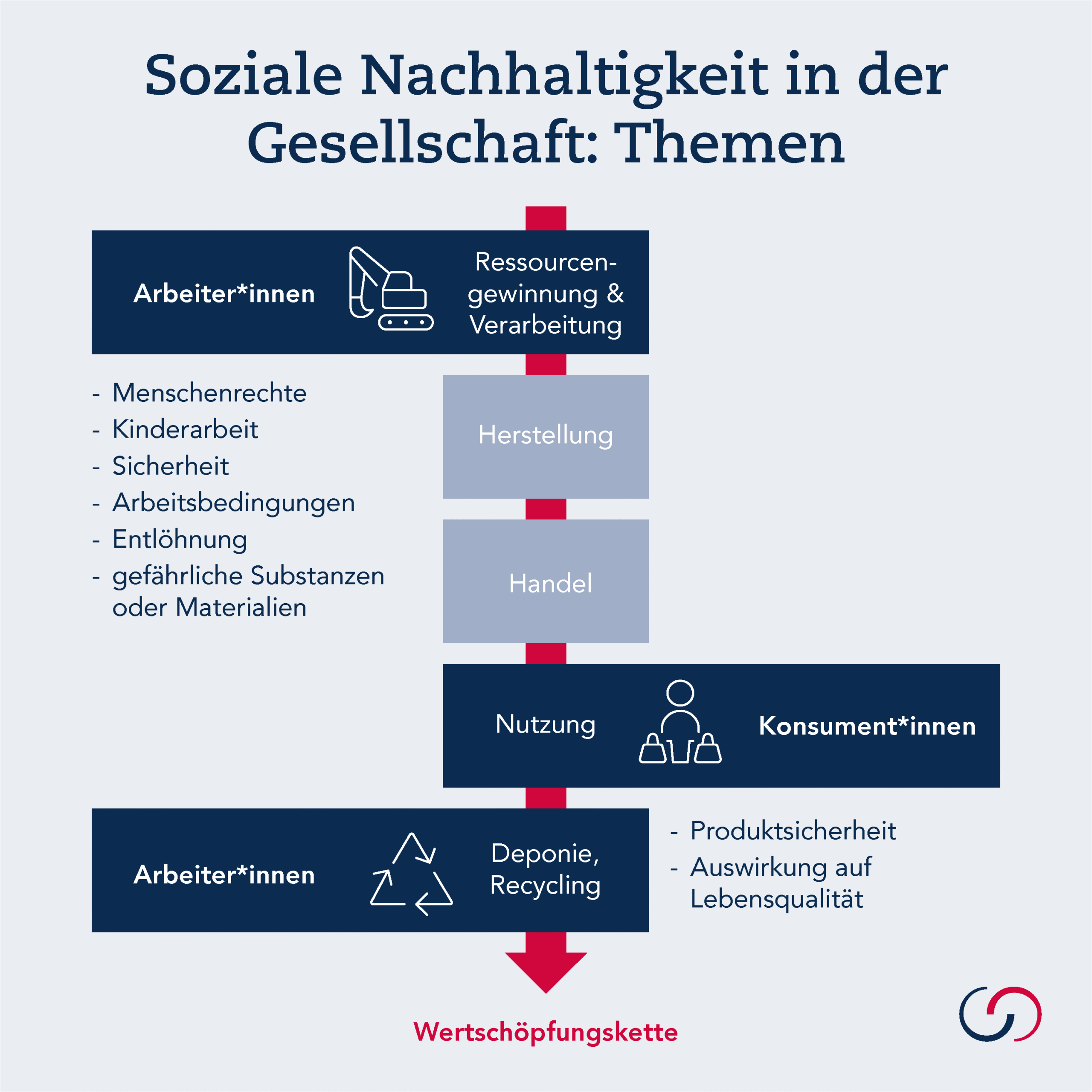
Corporate responsibility in the value chain
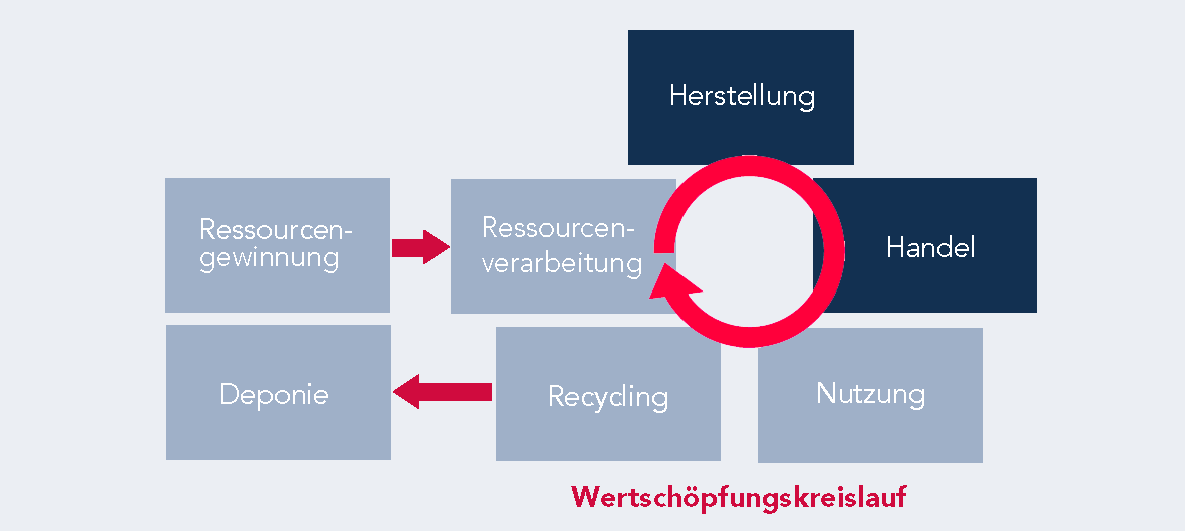
The company's influence is greatest in production and trade, as these steps in the value chain are usually located directly within the company. At the beginning and end of the value chain, on the other hand, the influence is comparatively low. Nevertheless, the level of responsibility remains the same throughout the entire value chain. So if the influence is low but the responsibility is high, this results in a risk for the company that is difficult to control. If the value chain becomes a value creation cycle through the circular economy, companies can both work more resource-efficiently and address the issues of social sustainability holistically, thereby minimizing risks.
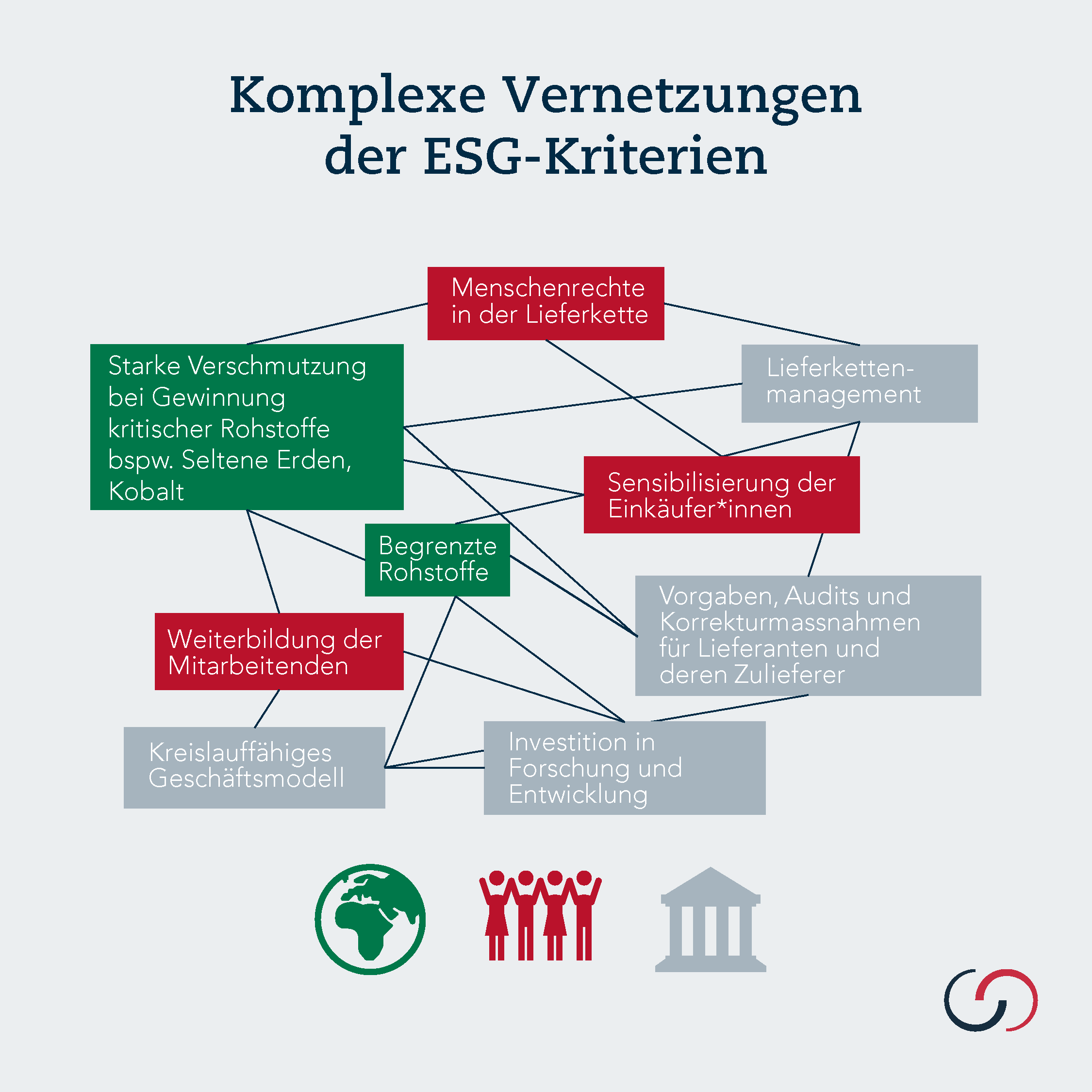
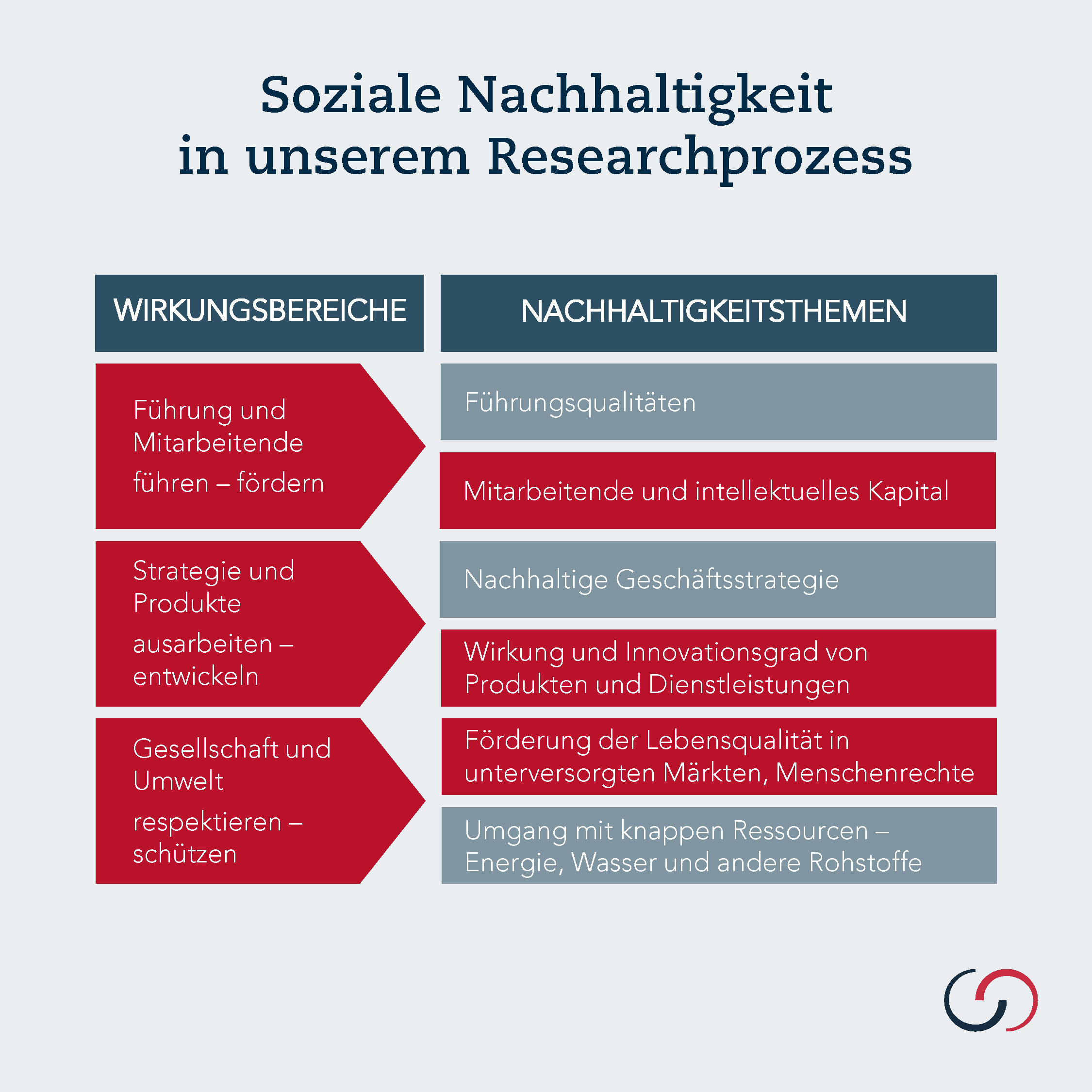
Integrated approach to sustainability at Forma Futura
However, social aspects of sustainability cannot be viewed in isolation. This is because they interact with both governance issues (e.g. corporate governance in relation to supplier management) and environmental issues (e.g. environmental pollution through air and soil emissions, limited raw materials). The links and repercussions between individual ESG criteria are complex and make it necessary to analyze corporate processes and their effects in detail.
Forma Futura has therefore developed a multi-stage selection process to identify companies for the investment universe. We analyze social sustainability issues in all three impact areas. These include, for example, employees, the impact of products and human rights. The entire Forma Futura analysis approach for a sustainable quality of life is based not only on numerous sustainability criteria, but also on the many years of in-depth, interdisciplinary experience of our team.
Company example: Covestro

Covestro is one of the world's leading suppliers of high-quality polymer materials and application solutions based on them. The company is committed to the UN's Sustainable Development Goals (SDGs). Based on this, five non-financial goals have been formulated to support Covestro on its way to achieving all 17 SDGs. Among other things, all suppliers with whom Covestro spends more than EUR 100,000 per year are to be assessed on an ongoing basis to ensure that they meet the company's sustainability requirements. Covestro regularly holds sustainability-focused events with its suppliers to support them in their sustainability efforts.
Together with customers and governmental and non-governmental organizations, Covestro is also developing affordable solutions based on its technologies and products that benefit underserved population groups and regions as part of its "Inclusive Business" initiative. The three regions of India, Southeast Asia and East and South Africa are at the center of this. The focus is on implementing innovative solutions in the areas of "Procurement of affordable houses", "Food security" and "Water and sanitation". One field of action includes post-harvest losses in the food industry in developing countries. As part of "Inclusive Business", solar dryers and cold stores are being developed together with industrial partners, which make a significant contribution to improving the economic situation of farmers by reducing post-harvest losses.
You can find more information at covestro.com
Similar posts
September 16, 2026
From SpaceX to Steward Ownership: A Debate on Corporate Power
With SpaceX’s initial public offering, the concept of shares with multiple voting rights suddenly became widely known to the general public. What does this type of ownership structure mean for shareholder democracy, and what opportunities does steward ownership offer as an alternative approach?